Kazakhstan
Information about the partnership
Partner country since 2007
Participants in the programme to date: 678 executives
Political partner for the Federal Ministry for Economic Affairs and Climate Action: Ministry of National Economy of the Republic of Kazakhstan
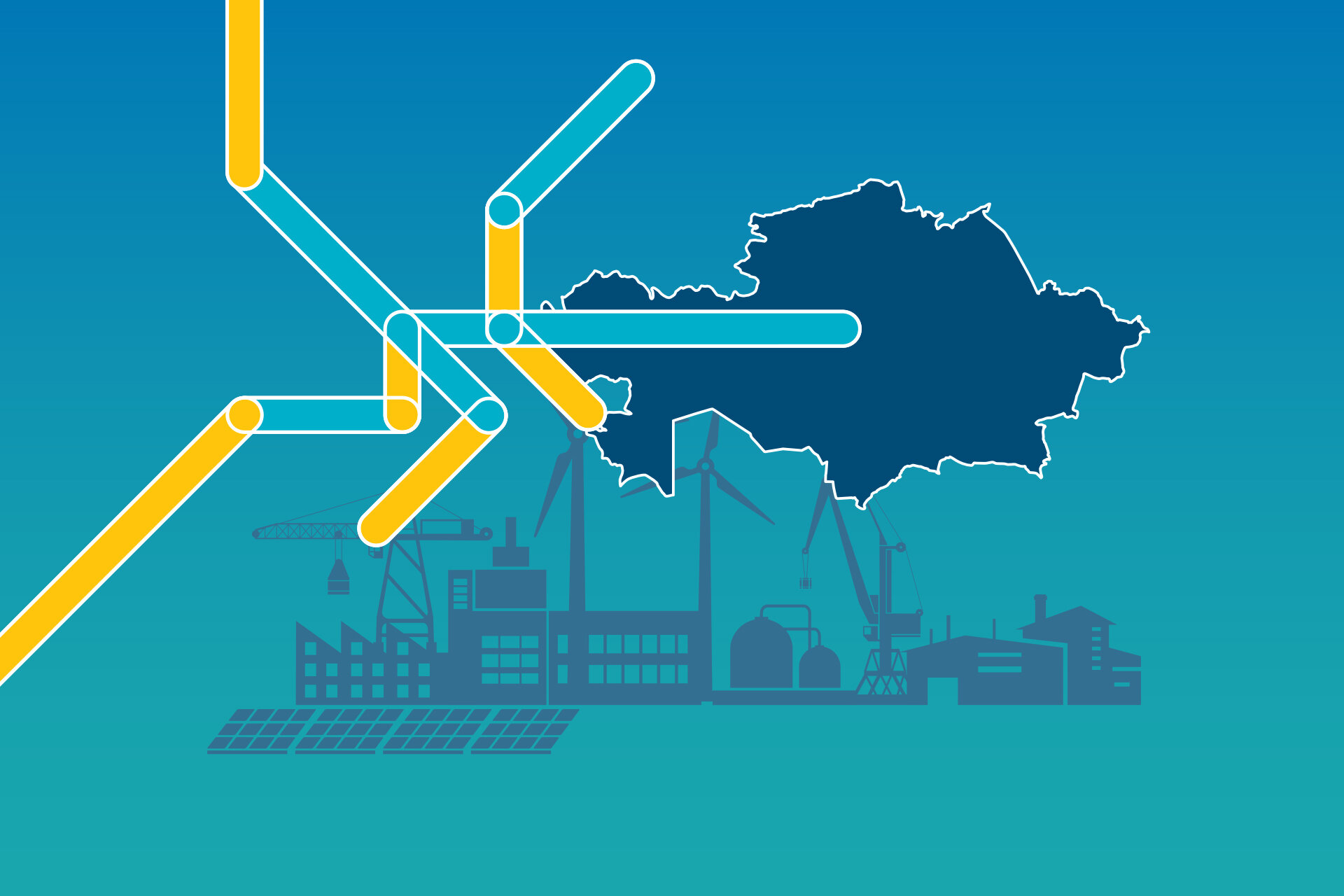
Kazakhstan has numerous ambitious programmes to actively drive forward the diversification of its economic portfolio. It is working to mitigate the impact of climate change under its goal to achieve carbon neutrality by 2060. It is fostering digitisation (in particular digital financial solutions and fintech), energy efficiency and sustainability. In addition, it is seeking to quickly make the transition from a raw materials-based to a manufacturing economy. To achieve this goal, the government of Kazakhstan is relying on solutions and products from Germany. The most important products exported by German companies to Kazakhstan are machinery, chemicals, motorised vehicles and motorised vehicle components, electronics and electrical equipment. Germany imports mainly oil, metals and chemicals from Kazakhstan. Given the geopolitical situation, numerous German companies have already moved their business from Russia to Kazakhstan. Others could follow, so the search for local partners in Kazakhstan continues.
Partnering in Business with Germany is open to managers from all sectors. In light of the Kazakh government’s goal to achieve climate neutrality by 2060, the largest group of managers and companies taking part in the programme come from the renewable energy sector. Other sectors include the green economy, agriculture, manufacturing and raw materials. Going forward, recycling will take on a more important role, especially the recycling of raw materials.
Networking activities among the alumni of the programme are becoming increasingly transnational, spanning all of Central Asia. Former participants of the programme frequently become business and cooperation partners.
News


Your contacts in Kazakhstan
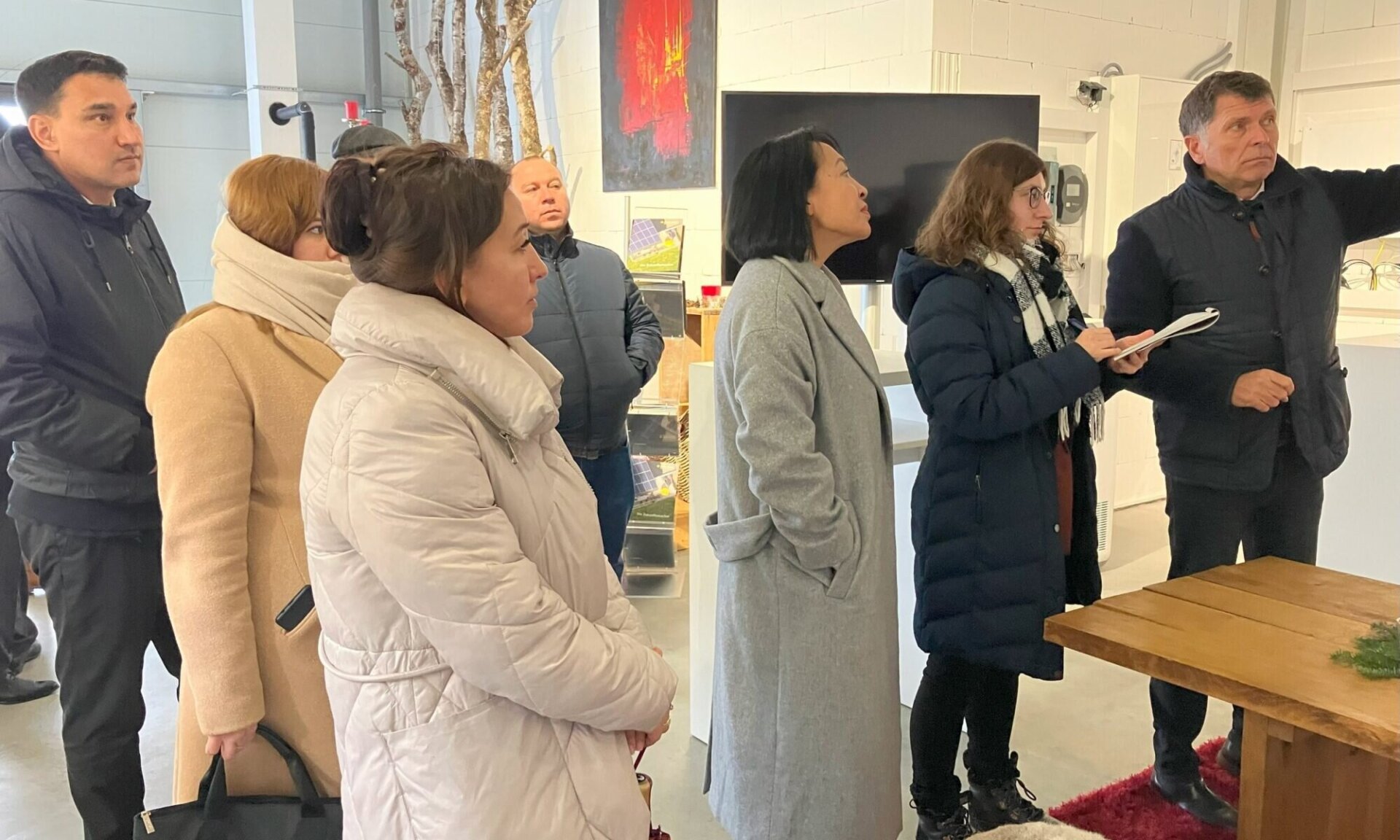
National Chamber of Entrepreneurs of the Republic of Kazakhstan (Atameken)